Manchester Labour, Liberals and Ism
What exactly is Manchesterism? And will it definitely mean a break with the neoliberal economics which have hurt everyone who isn’t megarich and have alienated so many from mainstream politics?
Andy Burnham’s first speech as Labour leader made some big promises, many of them very welcome, so should we be optimistic?
Sounding radical, he said Britain took wrong turnings in the 1980s when “political power was centralized and economic power was privatized” and he singled out for criticism the neoliberal economic model which governments of all parties have subscribed to ever since.
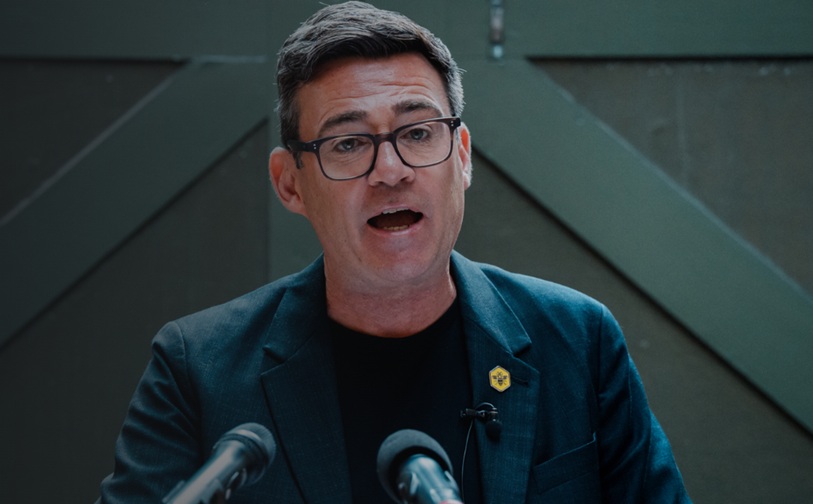
“This generation of politicians, myself included, have failed to challenge a political culture and an economic model that simply doesn’t work well enough for ordinary people,” he said. “Four decades of the neoliberalism that began in the 1980s have not been kind to the places that built our Party, nor to the communities across the UK in rural or coastal areas. So we pledge today, to them, to be better.”
A pretty good start, but he still says he’s a “pro-business leader” – which usually means those businesses which do very well out of neoliberalism. Good luck squaring that one.
Much of his speech concerned his “new politics”, including devolution, but for now let’s look at his plans to do better than neoliberalism, the process which has enriched the wealthy, undermined our environment and impoverished the poor.
So what is this “Manchesterism” Mr Burnham is leading the charge for? And is it really a new kind of political economy?
Some clue comes from “Mainstream Labour”, a grouping which claims it represents the Party’s mainstream. And its stated aims include some traditional Party concerns like taxing the wealthy and public ownership of utilities. The clearest statement of those aims comes in its recent publication The Productive State: A Framework for Manchesterism.
It’s a long, multi-faceted document. But running through it are no less than 16 familiar whines about the alleged awfulness of our planning system, though it does admit that the destruction of the planning system Labour has pursued even more enthusiastically than its Conservative predecessor won’t, on its own, get anything built at all.
“A veto-laden planning system inhibited development,” it moans, sounding like any bit of propaganda from the commercially driven “Yimby” lobby which has so undermined New Labour and Blue Labour policy for the last 15 years.
I won’t bore you with its familiar lies about planning, but it’s worth noting the document is also desperately weak on the environment, climate, conservation, external threats or food and water security.
It’s almost as if, given a small injection of traditional Labour policy, all these challenges would miraculously disappear – and failure to plan would help that.
Yes, revised economic policies might help push back against some of the damage neoliberalism has done, but we cannot ignore big threats coming down the line which it offers no solution to.
Instead, we need to plan for them.
Jon Reeds
 Jon Reeds
 Nigel Pearce